
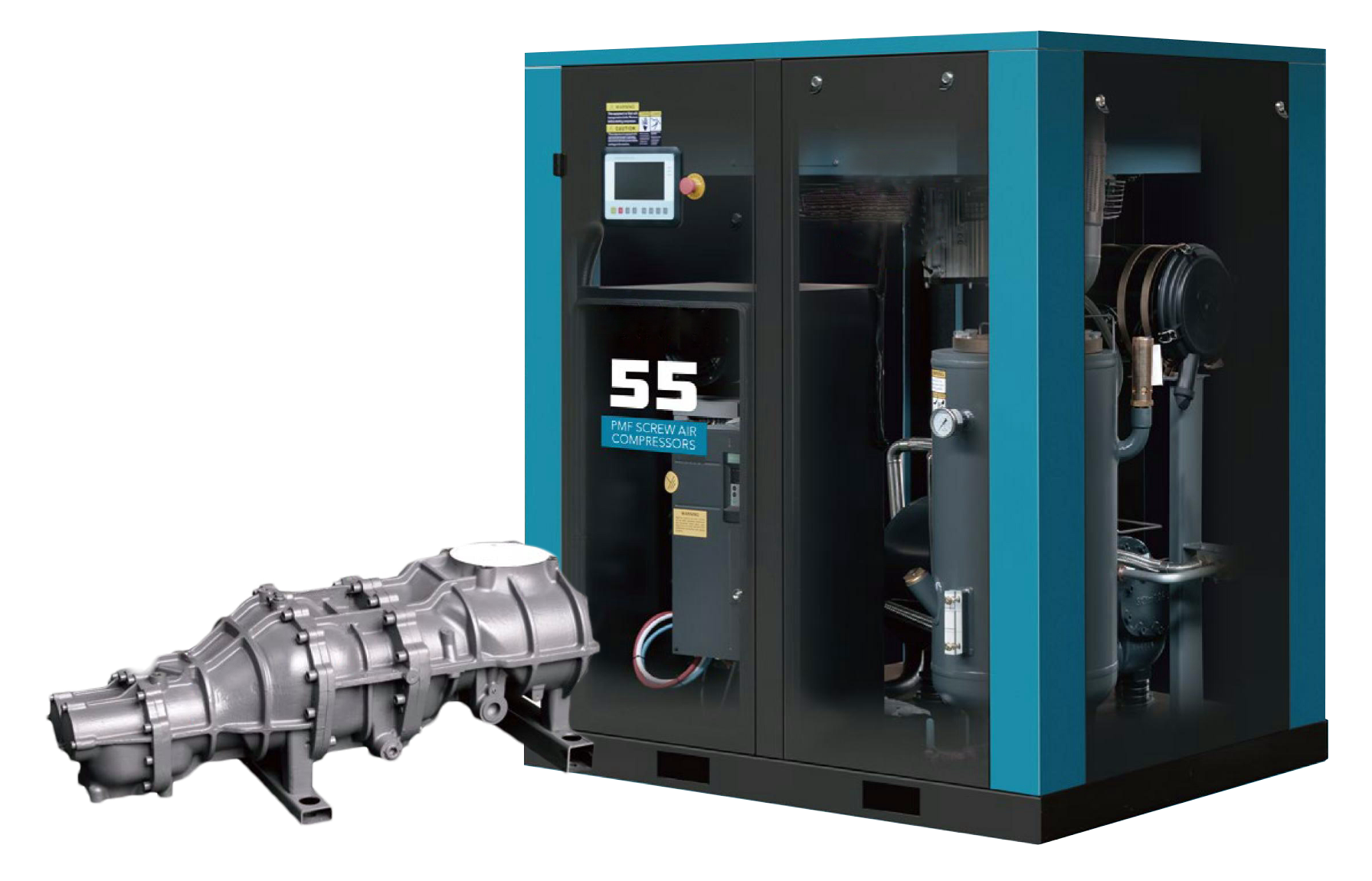
The patented direct-drive non-coaxial two-stage compression technology reduces one gear compared to the traditional stacked two-stage compression technology, thereby reducing mechanical transmission losses, improving unit efficiency, and making it more suitable for small-displacement applications.

The GMV2 series two-stage compressor adopts a high-performance current vector frequency converter specifically designed for permanent magnet synchronous motor drives, which can achieve low-speed high torque output It has excellent dynamic characteristics, strong overload capacity and strong overheat function, which makes the frequency converter, motor and air compressor host perfectly matched to achieve constant flow and pressure control.

Pressure Swing Adsorption (PSA) nitrogen generation systems utilize PSA technology, employing carbon molecular sieves as the adsorbent. When air pressure increases, the carbon molecular sieves adsorb a large amount of oxygen, while nitrogen molecules are concentrated and aggregated, achieving gas separation. When air pressure drops to atmospheric pressure, the carbon molecular sieves adsorb very little oxygen, and the oxygen molecules are desorbed from the adsorbent, completing adsorbent regeneration. The PSA nitrogen generation equipment uses two adsorption towers that alternately perform adsorption and desorption, achieving a continuous supply of nitrogen, thus realizing the entire nitrogen generation process.

The JMZY series oxygen generator is an oxygen generator carefully developed based on the "PSA"pressure swing adsorption principle. It uses high-quality zeolite molecular sieves as adsorbents to directly separate and produce oxygen from compressed air. After purification and drying, compressed air undergoes pressure adsorption and decompression desorption under pressure swing adsorption. Due to kinetic effects, nitrogen diffuses much faster than oxygen in the micropores of zeolite molecular sieves. Before adsorption reaches equilibrium,oxygen is enriched in the gas phase, forming finished oxygen. The pressure is then reduced to atmospheric pressure, and the adsorbent desorbs the adsorbed nitrogen and other impurities,achieving regeneration. Typically, two adsorption towers are set up in the system: one for oxygen production and the other for desorption and regeneration. A PLC programmable controller controls the opening and closing of pneumatic valves, allowing the two towers to alternate in a cycle to achieve continuous production of high-quality oxygen.
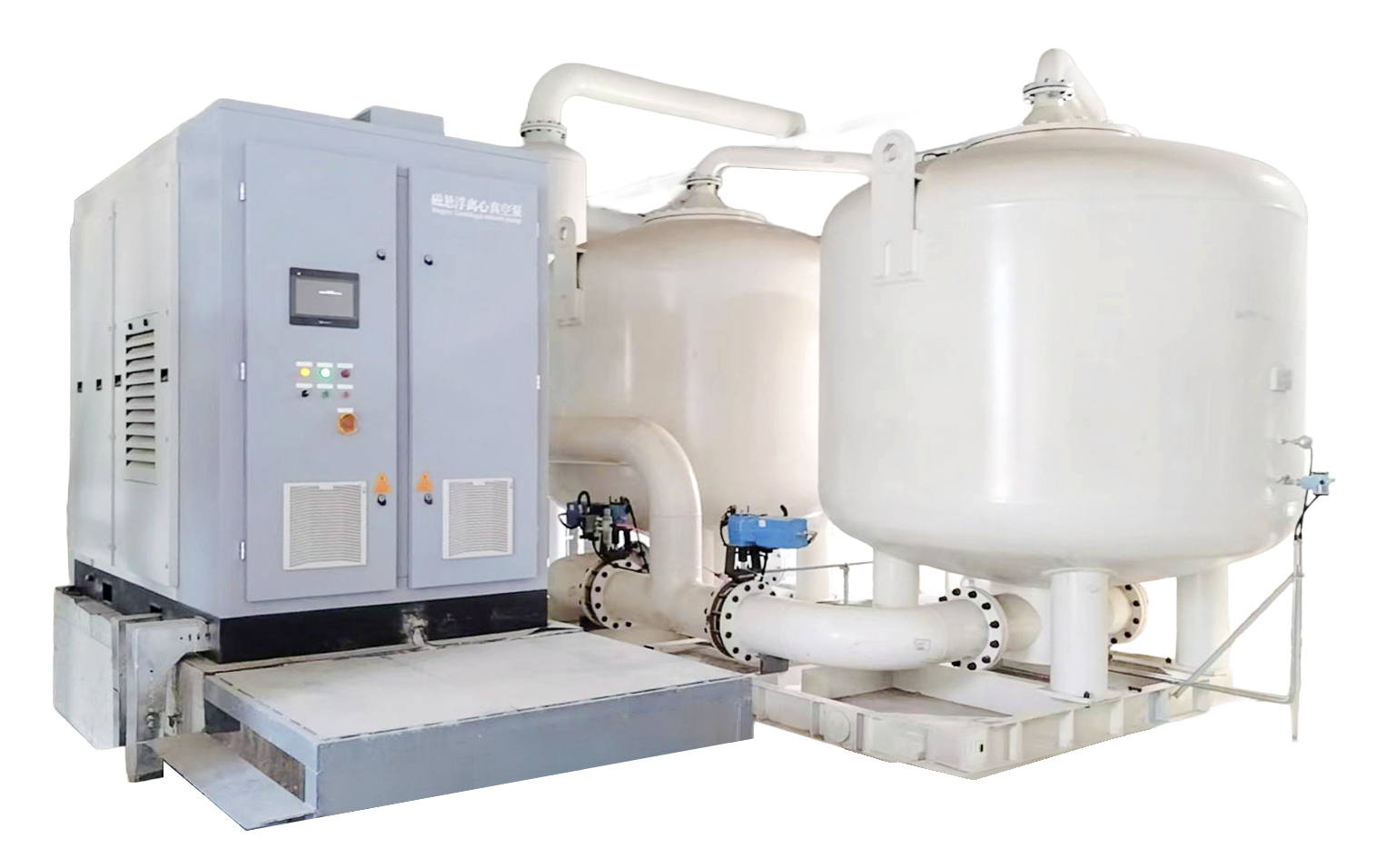
Vacuum pressure swing adsorption (VPSA) is a novel technology for producing oxygen-enriched air. It is a near-isothermal physical process that utilizes the different adsorption capacities of different components in a gaseous medium on an adsorbent to achieve gas separation. The adsorbent selectively adsorbs when the pressure increases and desorbs and regenerates when the pressure decreases to a negative pressure.
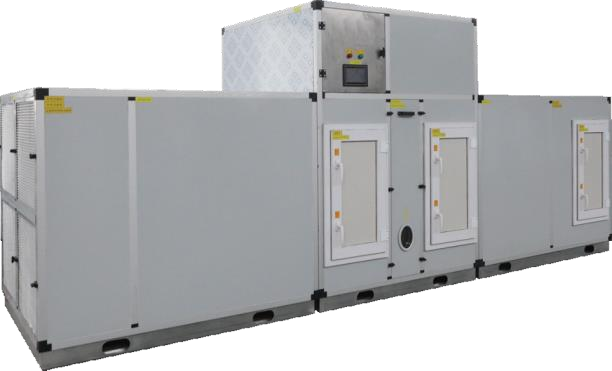
✦Single-Rotor Dehumidification Unit ; ✦Indoor comfort, industrial applications ; ✦15-25 ℃ ;10-50%; -10-5Cd ✦The core component of a rotary dehumidifier is the dehumidification rotor. This rotor is synthesized using glass fibers and heat-resistant ceramic materials as internal support carriers, combined with specialized moisture-absorbing media (such as high-efficiency silica gel or 4A molecular sieves).
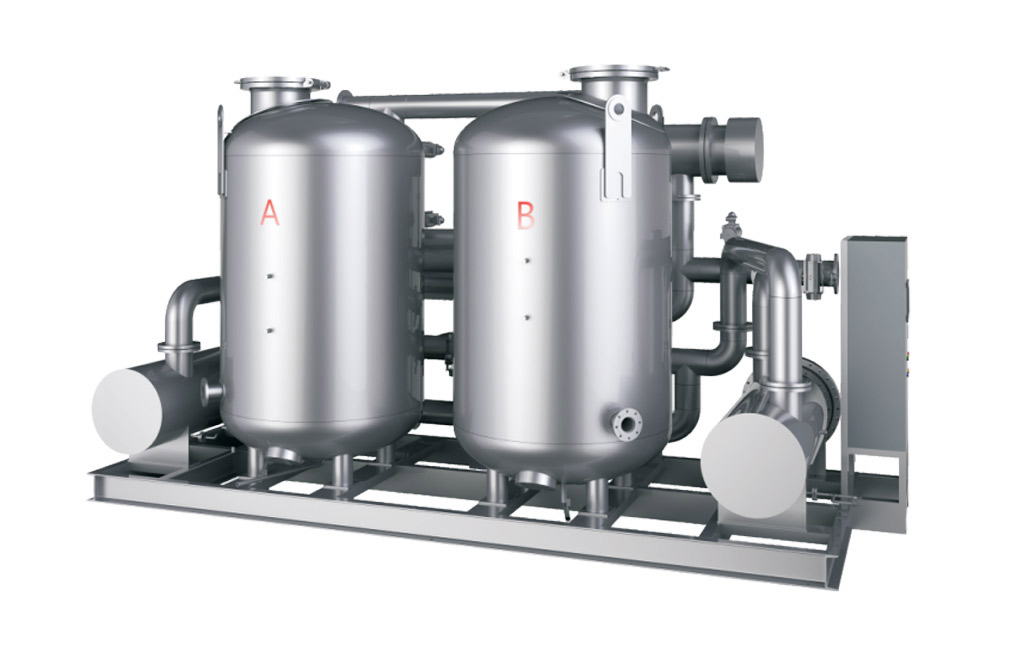
The VZCH series compression heat zero gas consumption regeneration adsorption dryer first uses high-temperature and high-pressure compressed air to compress and heat the wet adsorbent for regeneration. After the compression heating stage is completed, turn on the auxiliary heater to perform secondary heating and regeneration of the adsorbent. The sooling stage is achieved by blowing compressed air through the after-cooler to the required room temperature for adsorption and reaching a high degree of dryness until regeneration is completed.
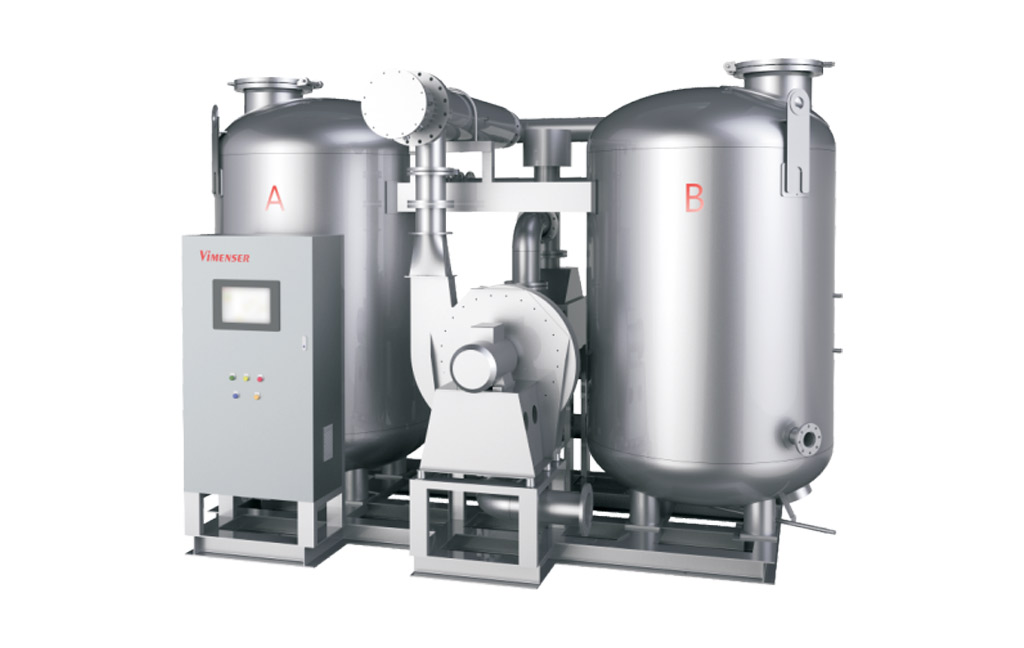
The VZAH-40 series hot blast zero gas consumption regeneration adsorption dryer uses a blower to suck in ambient air and heat it in the same direction to regenerate the wet adsorbent. The cooling uses a blower and an intercooler for closed -loop cooling of the high-temperature adsorbent. The entire regeneration process does not consume expensive product dry air, resulting in lower operating costs
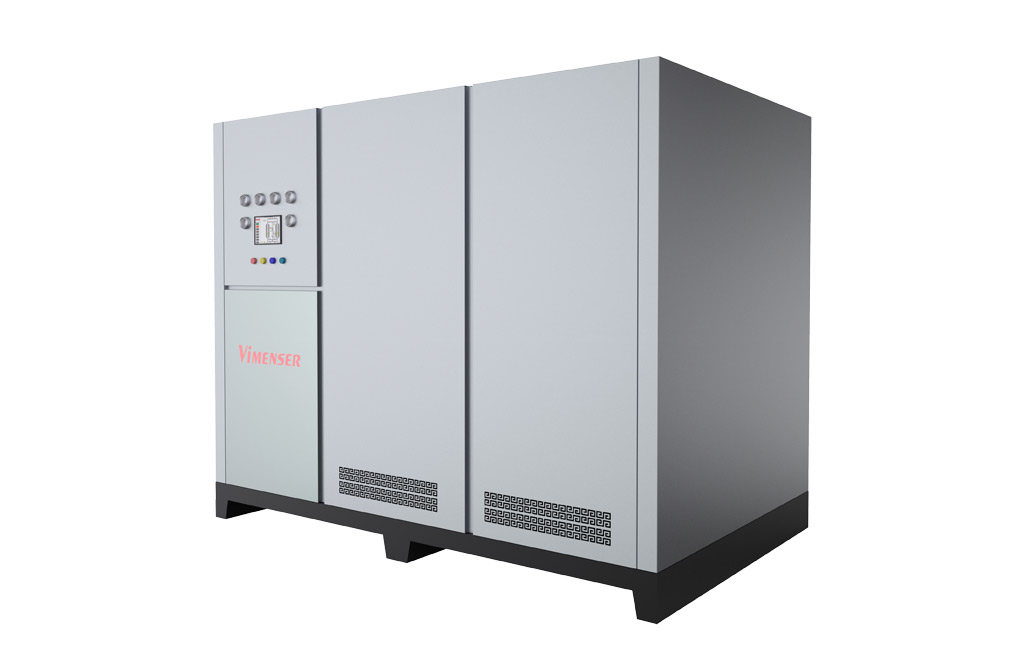
The VCMA series refrigerated dryer reduced the temperature of compressed air from 2 ℃, and a large amount of water vapor condenses into water. The refrigeration chamber dryer uses the principle of refrigeration to cool compressed air at higher temperatures to about 2℃-3℃ and discharge the condensate, thereby achieving the purpose of drying compressed air.

 Phone : 0086 15940875283
 Email : linsey@genius-ln.net
 No.15,Kaifa North 26th Road,Economic and Technological Development district,Shenyang